Curator: Dorothea Strauss
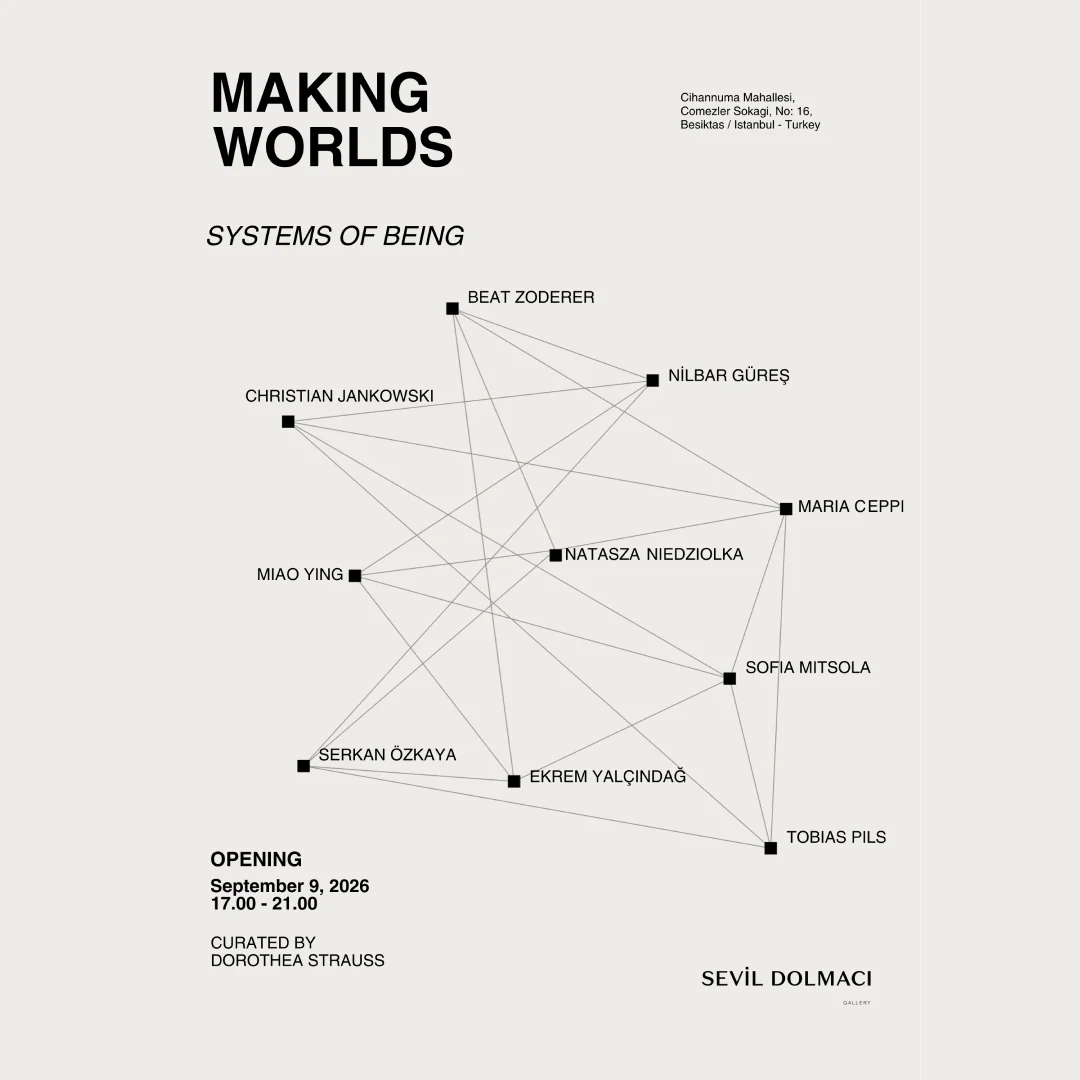
Sevil Dolmacı Gallery, Villa İpranosyan, Istanbul
Opening: September 9, 2026
Maria Ceppi (CH), Nilbar Güreş (TR), Christian Jankowski (DE), Sofia Mitsola (GR), Natasza Niedziółka (PL), Serkan Özkaya (TR), Tobias Pils (AT), Ekrem Yalçındağ (TR), Miao Ying (CN), Beat Zoderer (CH)
How does our perception of the world come into being? Through desire, order, matter, inner images, algorithms, ornament, or the gaze? Through the visible and invisible systems that shape the way we see, feel, desire, classify, and remember?
The exhibition brings together works by ten international artists from different generations and cultural contexts. Their works show that reality is never static. It is continuously produced and re-formed through perception, imagination, desire, cultural codes, social roles, material structures, and digital models.
Making Worlds. Systems of Being unfolds as a visual constellation of distinct artistic approaches. Between the artistic positions, a vibrant field emerges in which bodies, surfaces, signs, ornamentation, material hybrids, cultural codes, and digital structures generate their own systems of meaning.
The participating artists do not simply reproduce existing systems; they shift, destabilise and reconfigure them. In doing so, they open spaces of resonance in which perception, identity, belonging, desire, memory, and digital models of reality intertwine.
The artistic positions approach world-making from very different perspectives:
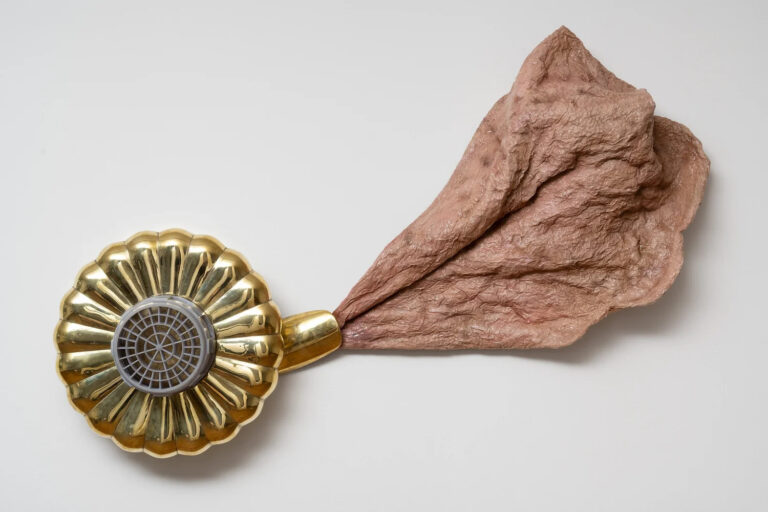
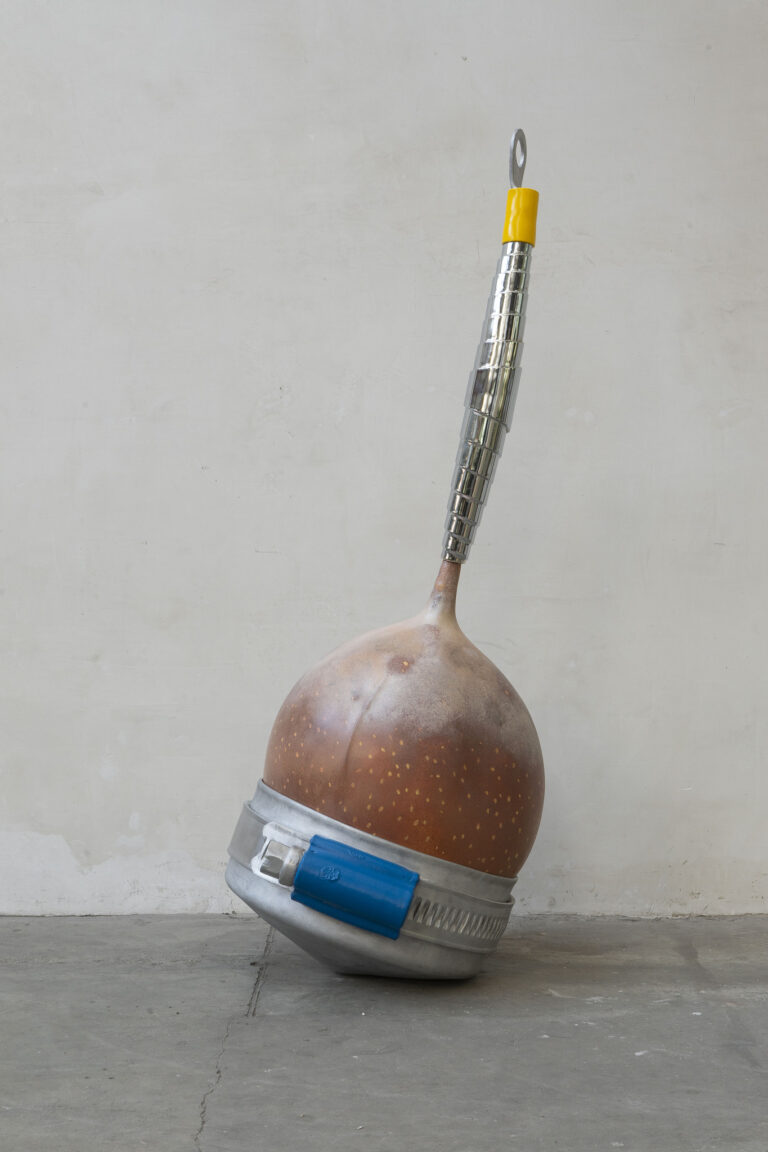
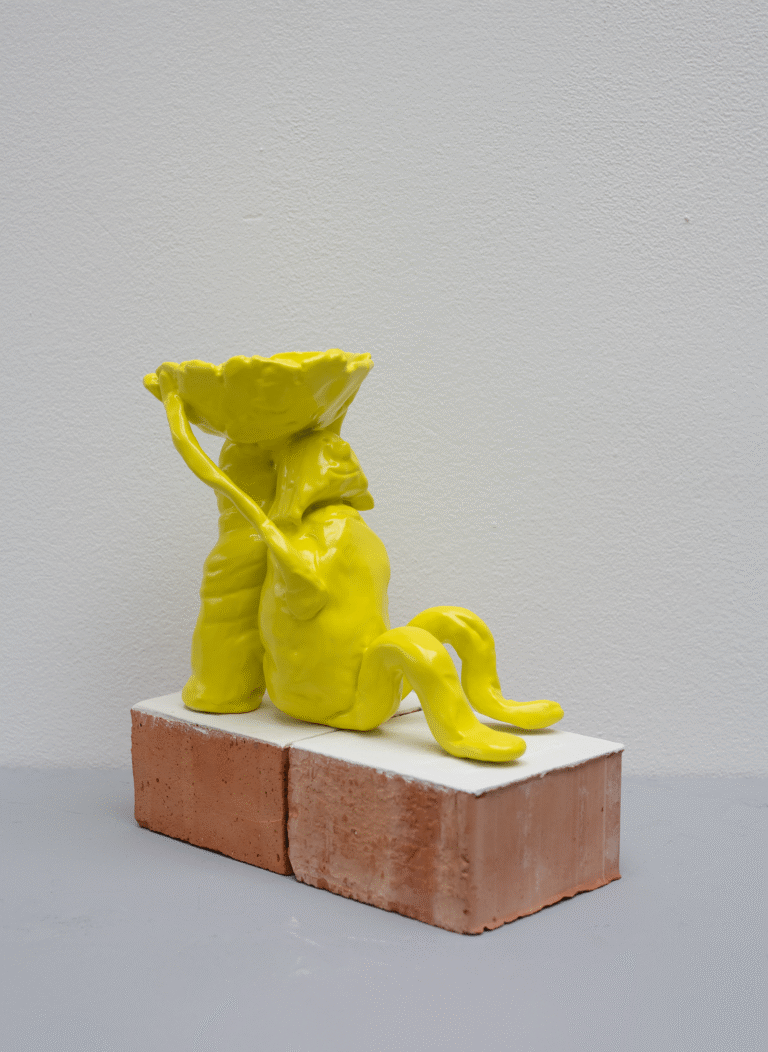
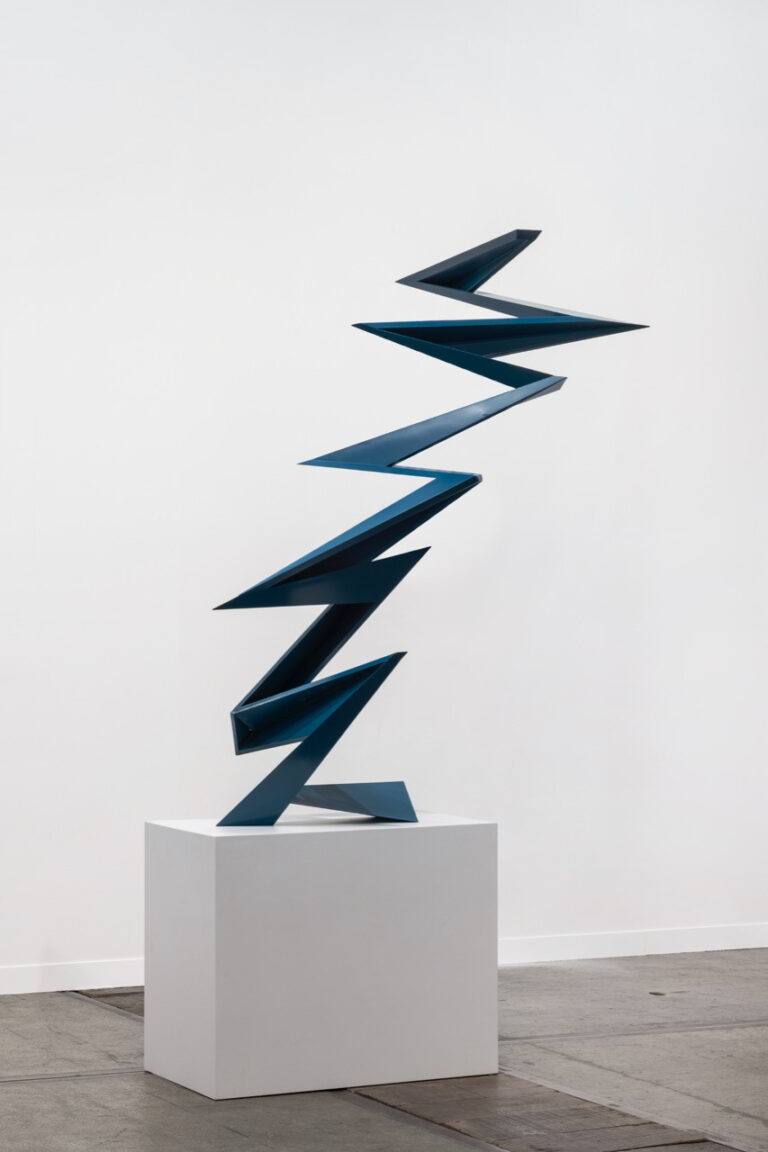
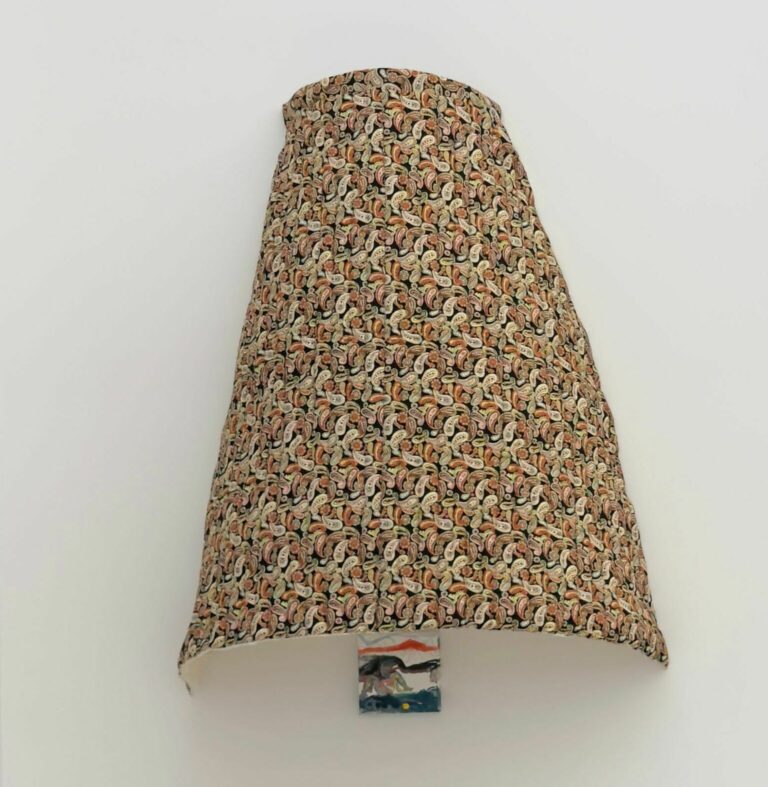
Maria Ceppi (d. 1963, CH) transforms familiar objects and materials into unexpected hybrid forms, reflecting on the ways we relate to objects, materials and consumption. Metal, plastic, natural materials and everyday objects are taken apart, combined and brought into new and unexpected material dialogues, while never entirely losing the memory of their original form. Her works move between the natural and the artificial, the familiar and the strange, asking when something ceases to be what it once was and becomes something different, something new.
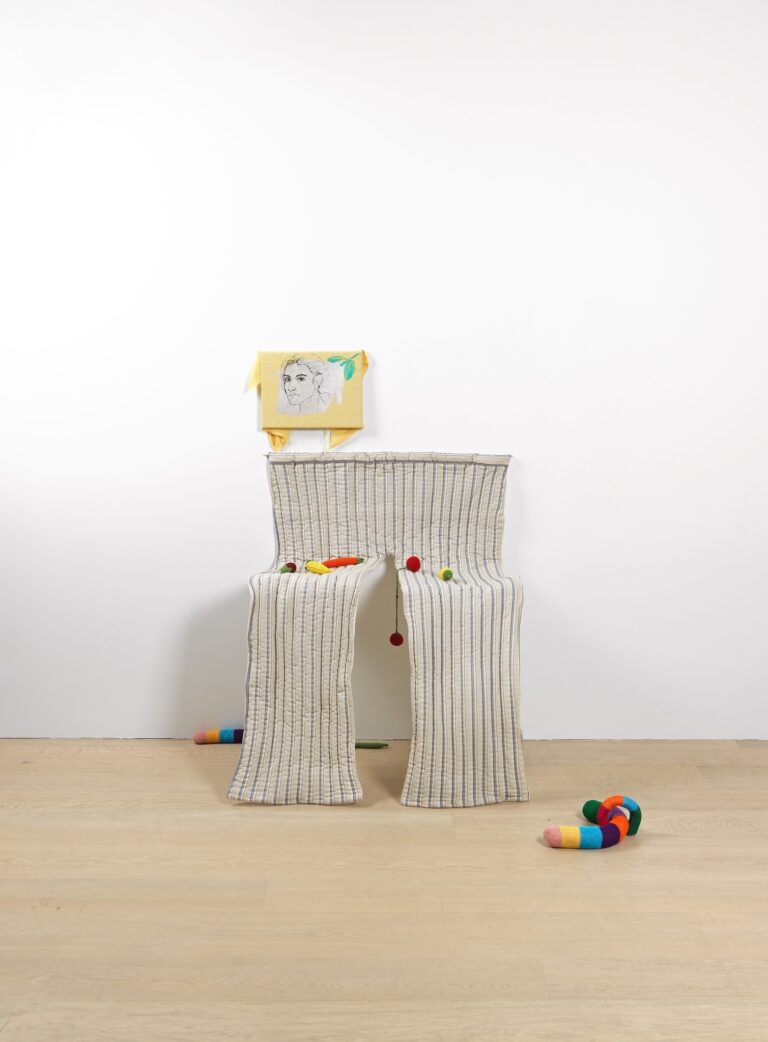
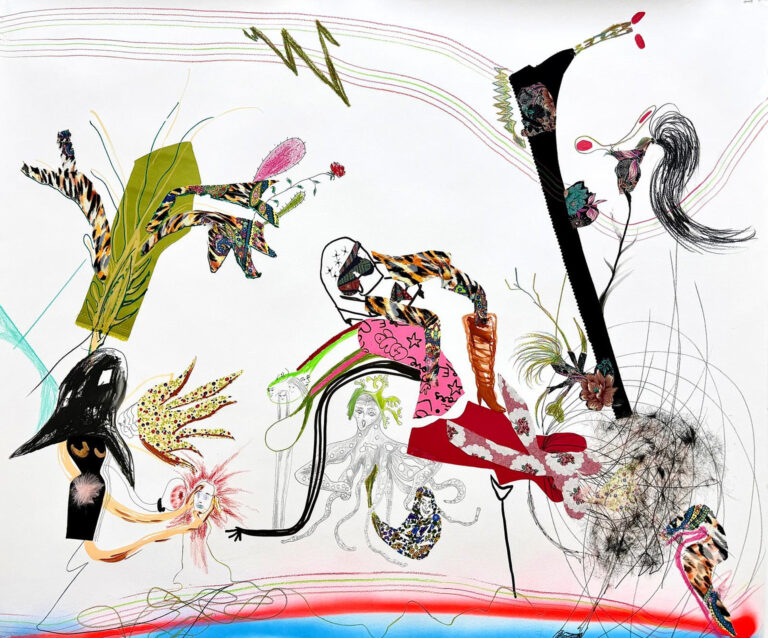
Nilbar Güreş (d. 1977, TR) turns to the social and cultural construction of identity, gender and roles. Drawing on lived experience, she addresses exclusion, discrimination, migration, sexuality, freedom and resistance with humour, tenderness and critical precision. Her works challenge inherited narratives and systems of representation while giving visibility and agency to perspectives that dominant narratives tend to marginalise. Güreş currently represents Türkiye at the 61st Venice Biennale with A Kiss on the Eyes, a presentation bringing together sculpture, installation, painting, video and mixed-media works around questions of displacement, care, privilege and belonging.
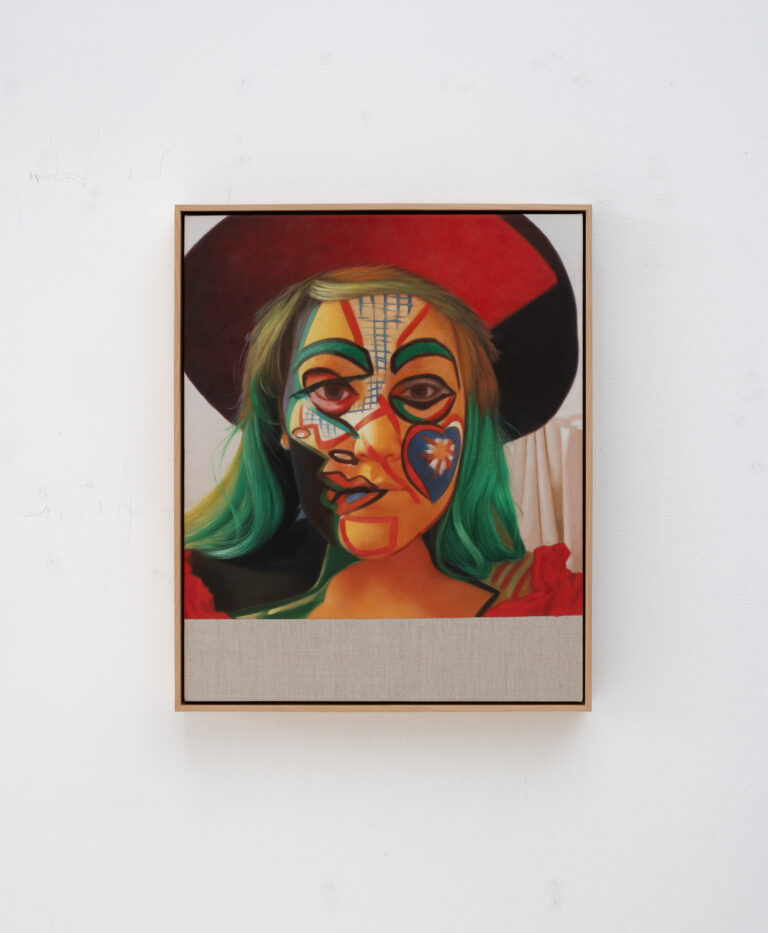
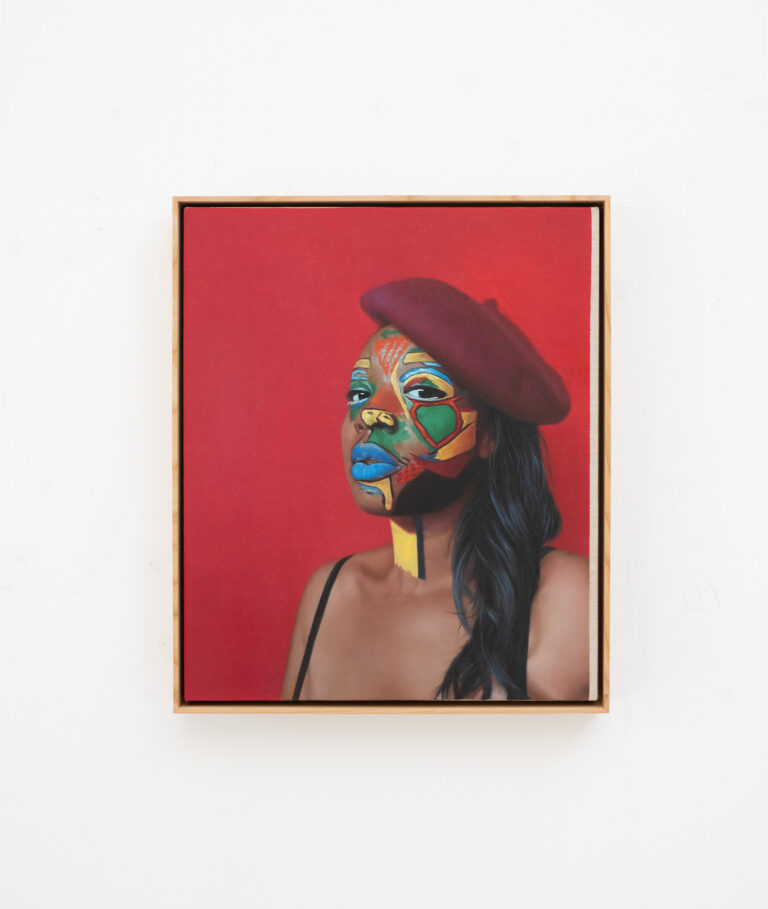
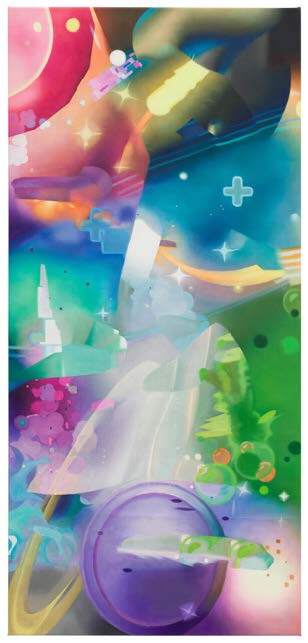
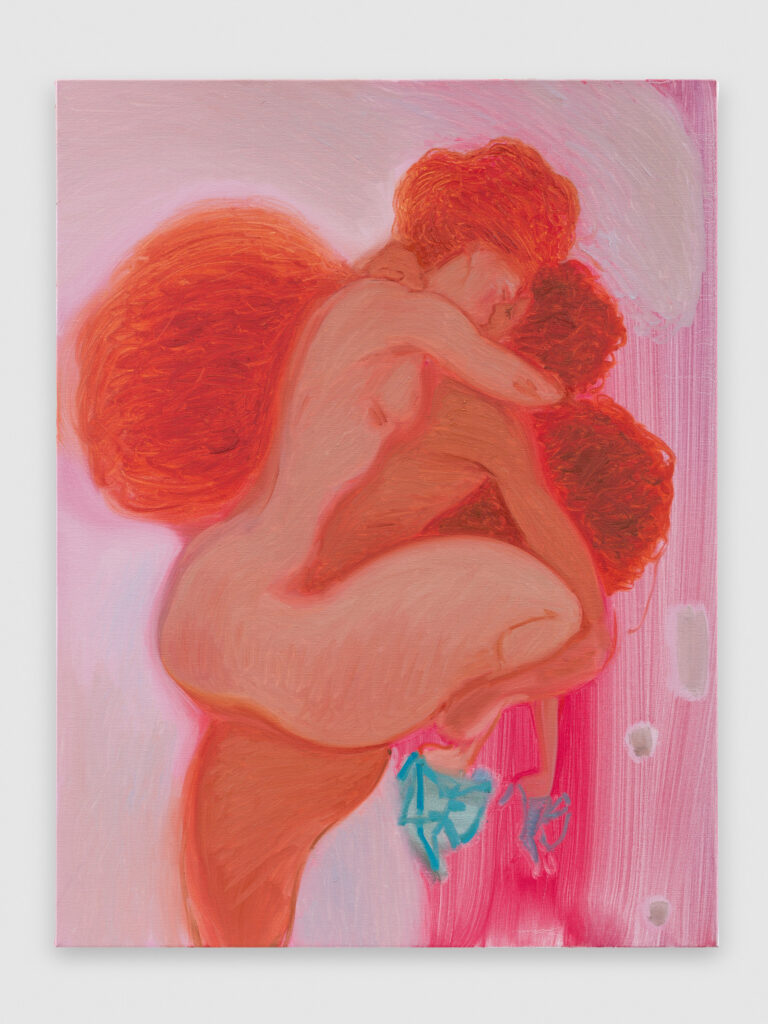
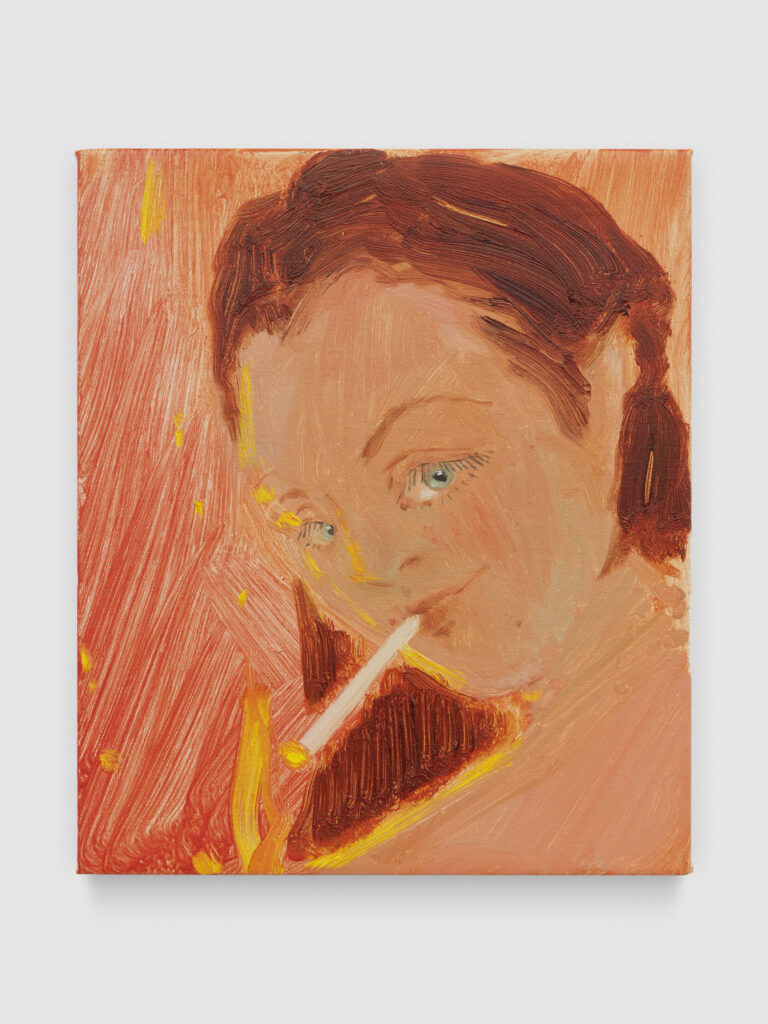
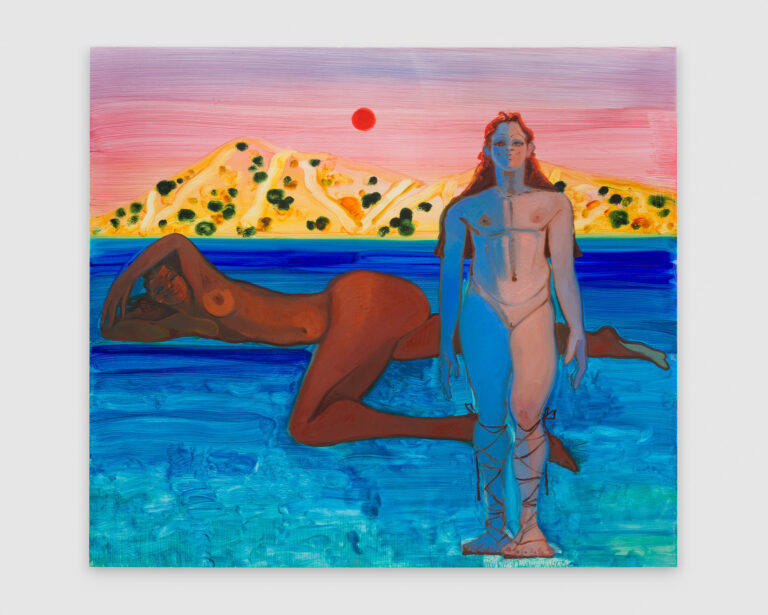
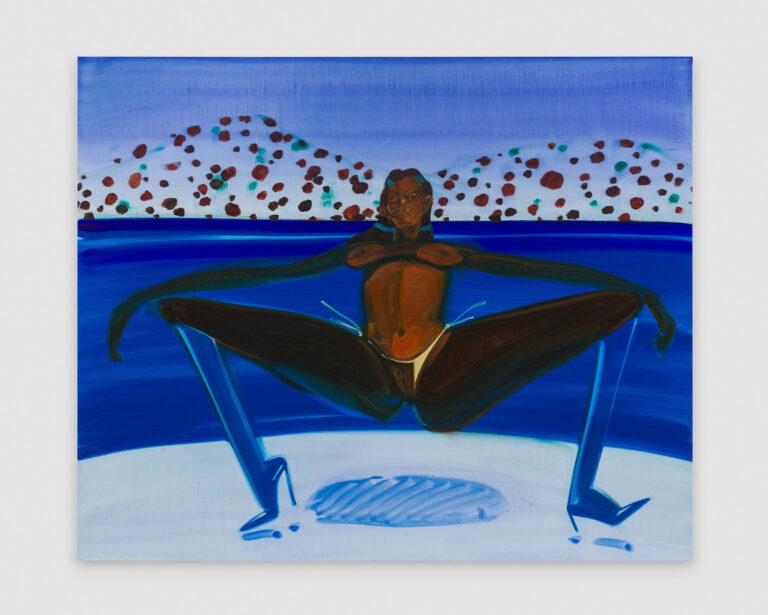
Sofia Mitsola (d. 1992, GR) places the female body and the act of looking at the centre of her painting. Her often larger-than-life figures confront the viewer directly: they do not simply allow themselves to be looked at, they look back. Drawing on sources ranging from ancient Greek and Egyptian sculpture to Japanese visual culture and pornography, Mitsola creates pictorial worlds in which desire, projection, voyeurism, power and self-determination enter into a charged relationship. The gaze becomes an unstable encounter in which attraction and control, vulnerability and resistance continually change sides.
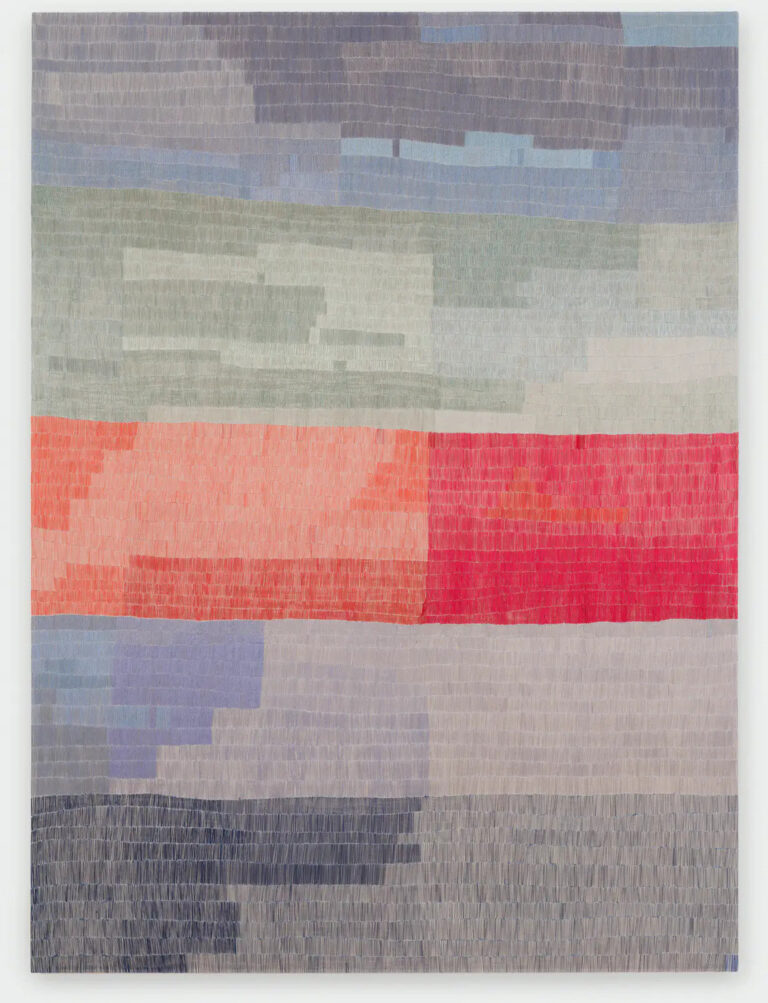
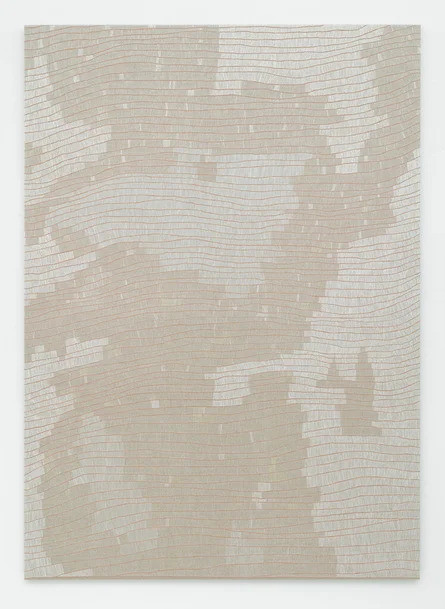
Natasza Niedziółka (d. 1978, PL) works between painting and textile, transforming surface, colour, thread and time into a quiet field of sensory perception. She stitches cotton and silk thread into stretched linen, setting the regular, machine-made structure of the canvas against the irregular rhythm of the hand. Repetition, densely worked surfaces and subtle shifts of colour create works that develop slowly and reveal themselves through sustained attention. Rather than presenting an image all at once, Niedziółka makes the process of seeing itself palpable, asking for a slower, more physical and attentive form of perception.
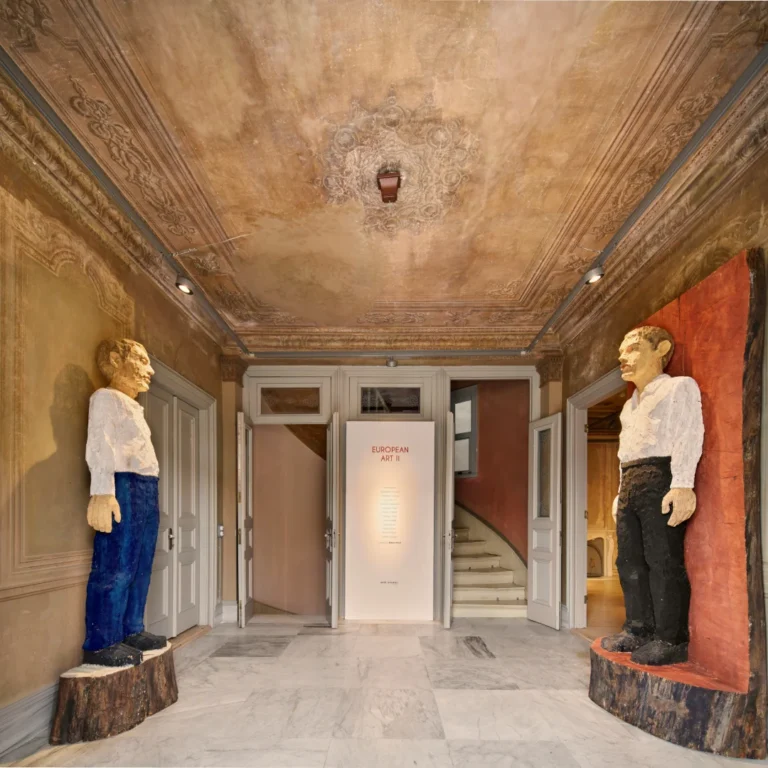
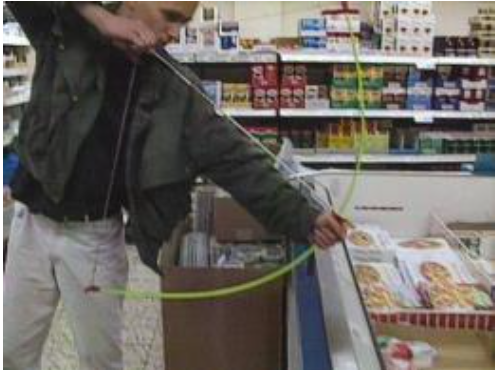
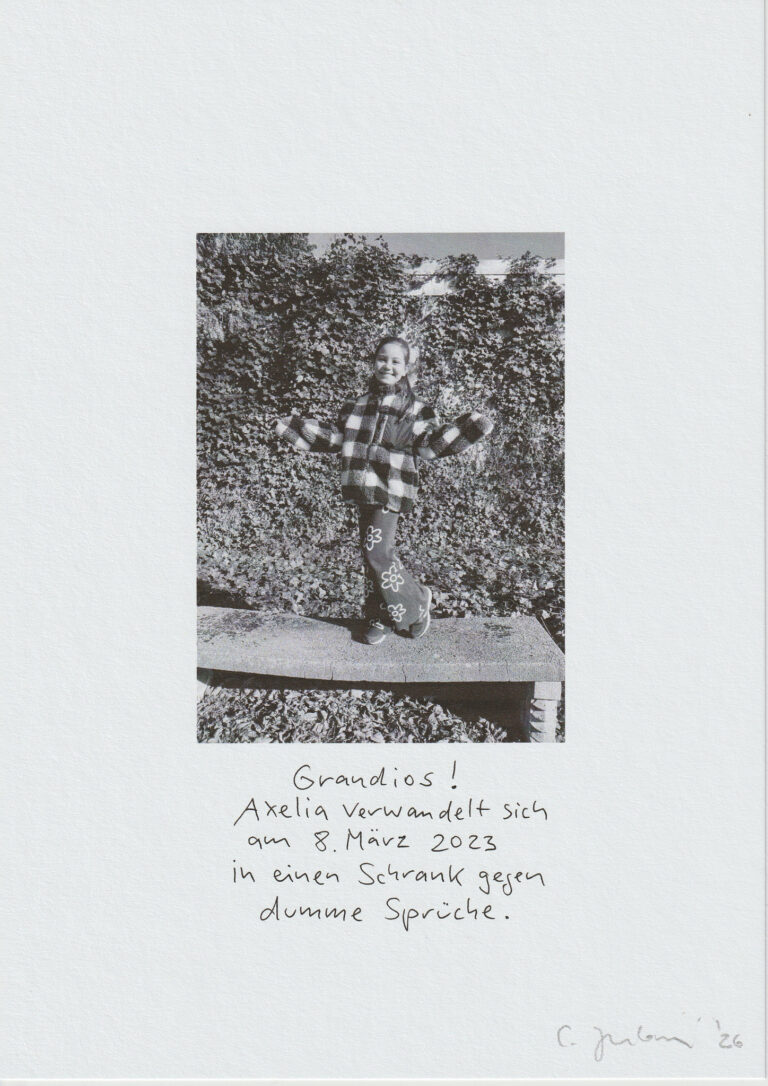
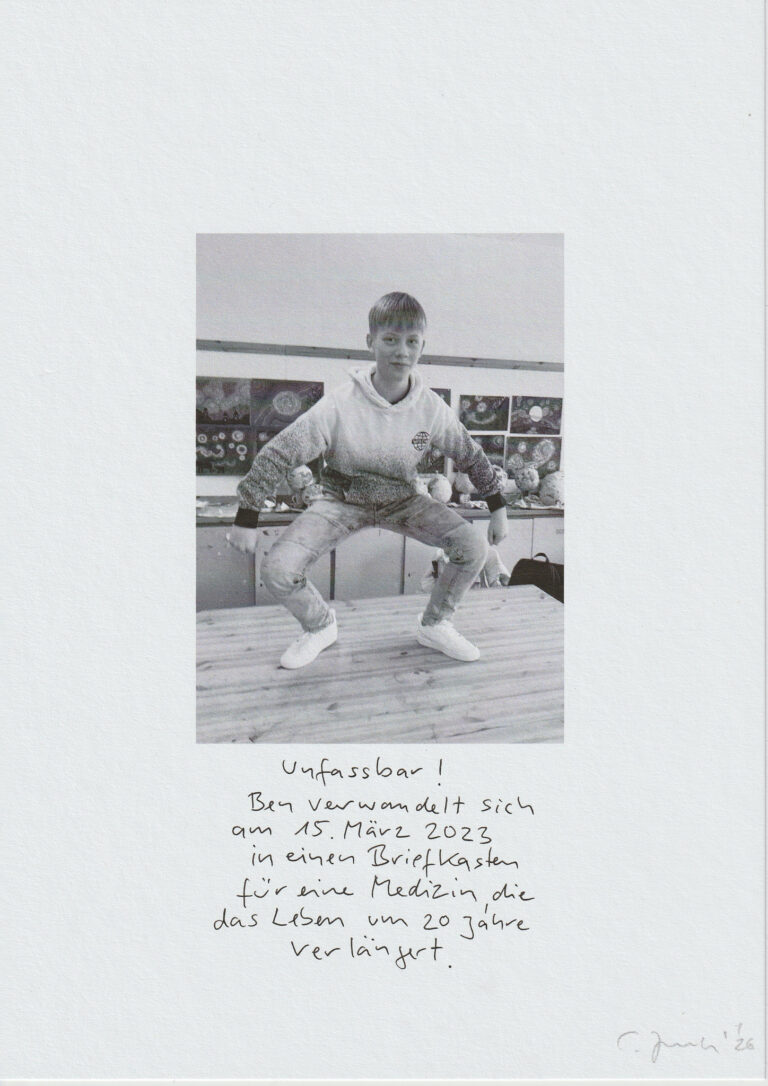
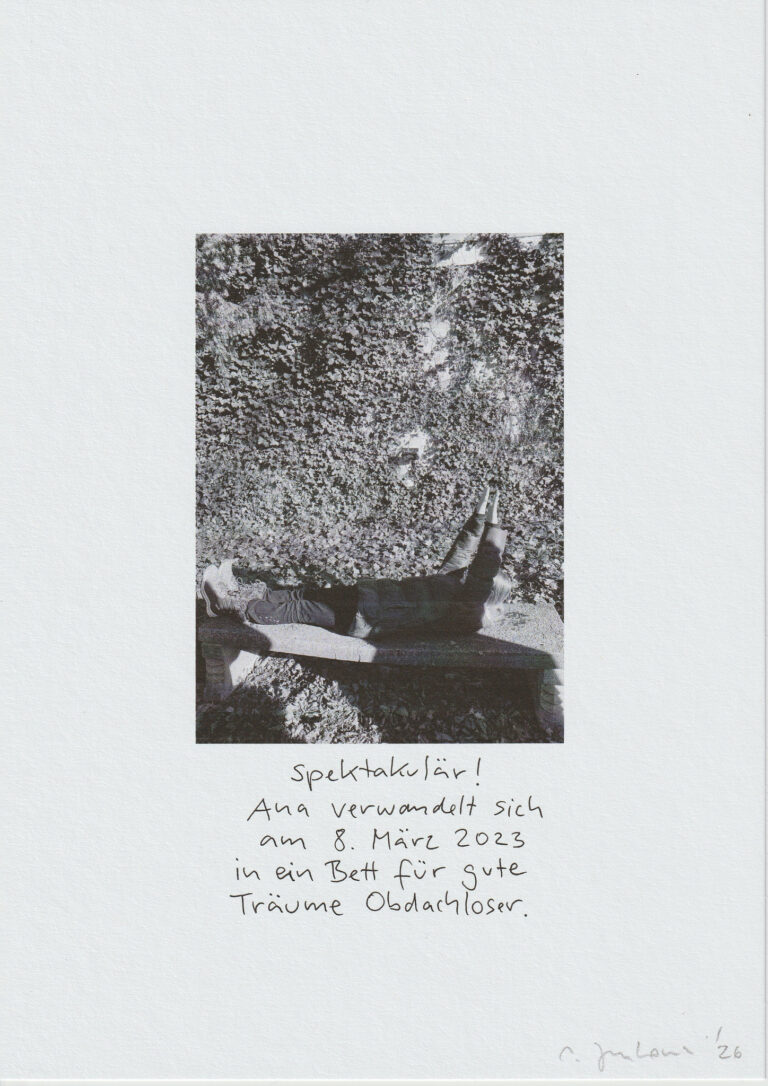
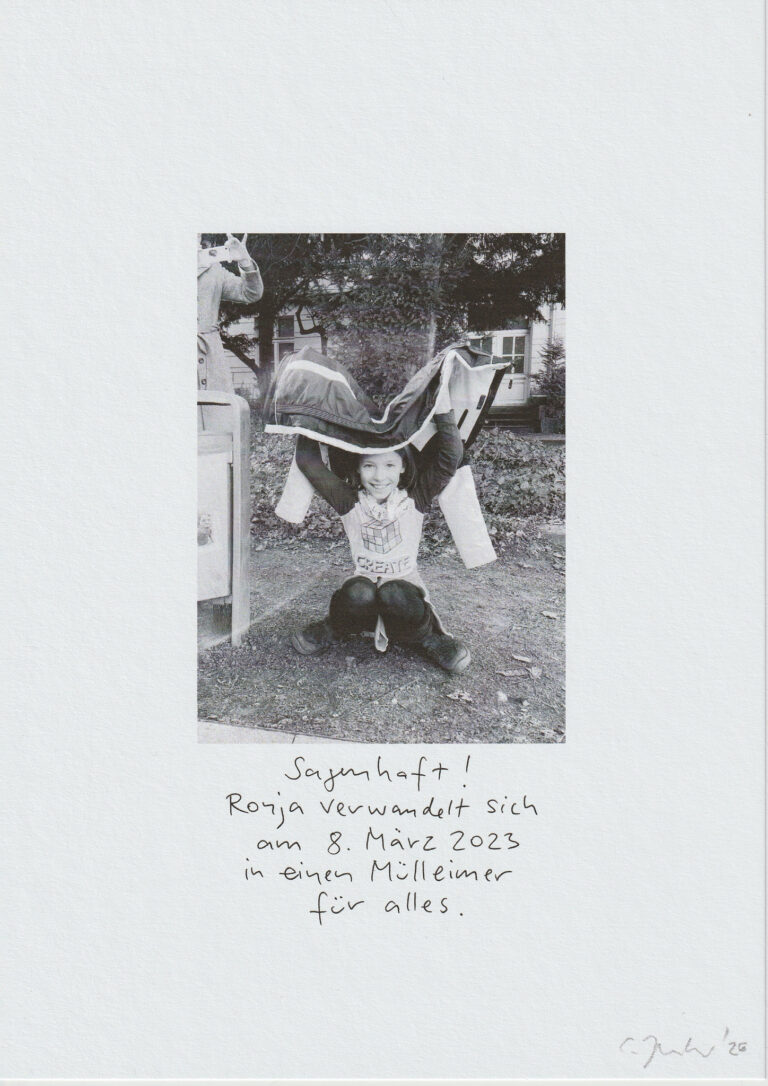
Christian Jankowski (d. 1968, DE) brings contemporary art into contact with people and systems outside the art world. Through collaboration, re-enactment, translation and familiar media formats, he questions who produces cultural meaning, how authorship is shared and where cultural authority comes from. For Making Worlds, Jankowski is developing the site-specific work Honey, I Built a New Wall (2026), turning a newly constructed wall at the villa’s entrance from a barrier into a passage. Jankowski participated in the Venice Biennale in 1999 and 2013 and, in 2016, became the first artist to serve as sole curator of a Manifesta biennial.
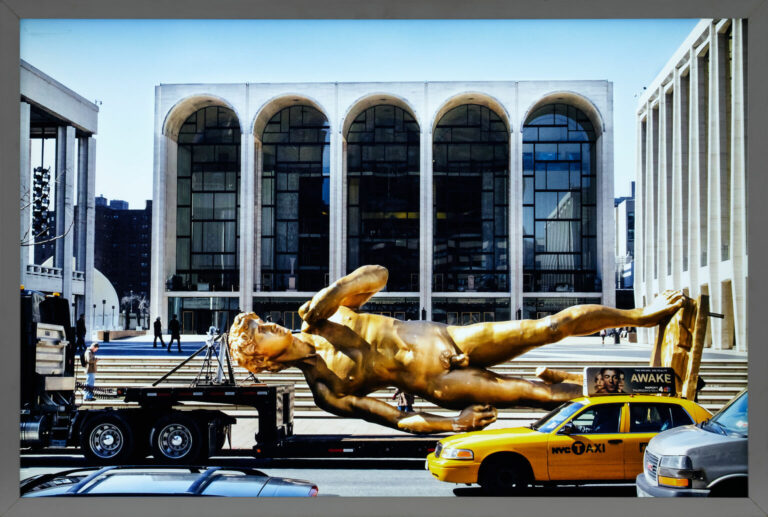
Serkan Özkaya (d. 1973, TR) uses copying, doubling, shifts of scale and reproduction to unsettle our faith in the original. His works often begin with something that already exists – an iconic artwork, an image, an object or another representation – and transfer it into a new context or perceptual situation. Rather than treating the copy as secondary, Özkaya allows it to acquire its own presence and meaning. In doing so, he questions where an original ends, when a reproduction becomes a new work, and how context, expectation and cultural systems determine what we perceive as authentic and valuable.
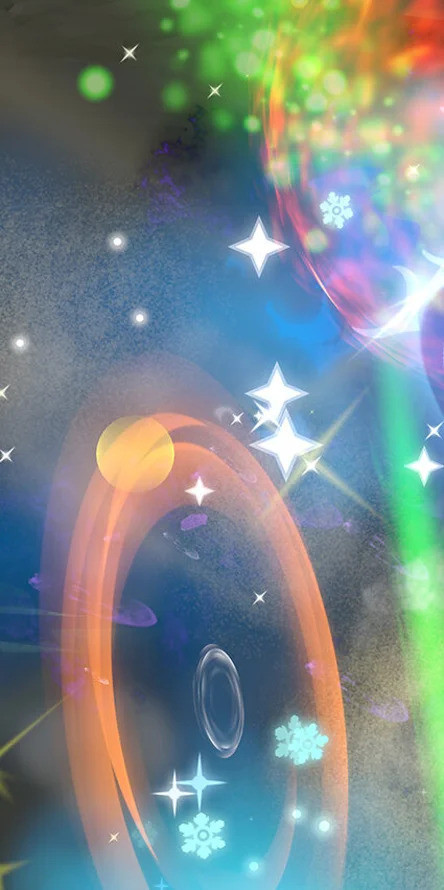
Miao Ying (d. 1985, CN) examines how digital technologies do not merely show us the world but increasingly participate in producing what we see, know and believe. Her work addresses internet censorship, surveillance, media manipulation, platforms and artificial intelligence with irony and critical distance, asking how technological systems shape behaviour and ideas of reality itself. In her current solo exhibition Come, Sit, Stay at Belvedere 21 in Vienna – her first solo exhibition in Europe – she draws a striking parallel between dog training and the training of AI, raising a deceptively simple question: who is training whom, and how much control are we willing to give away?
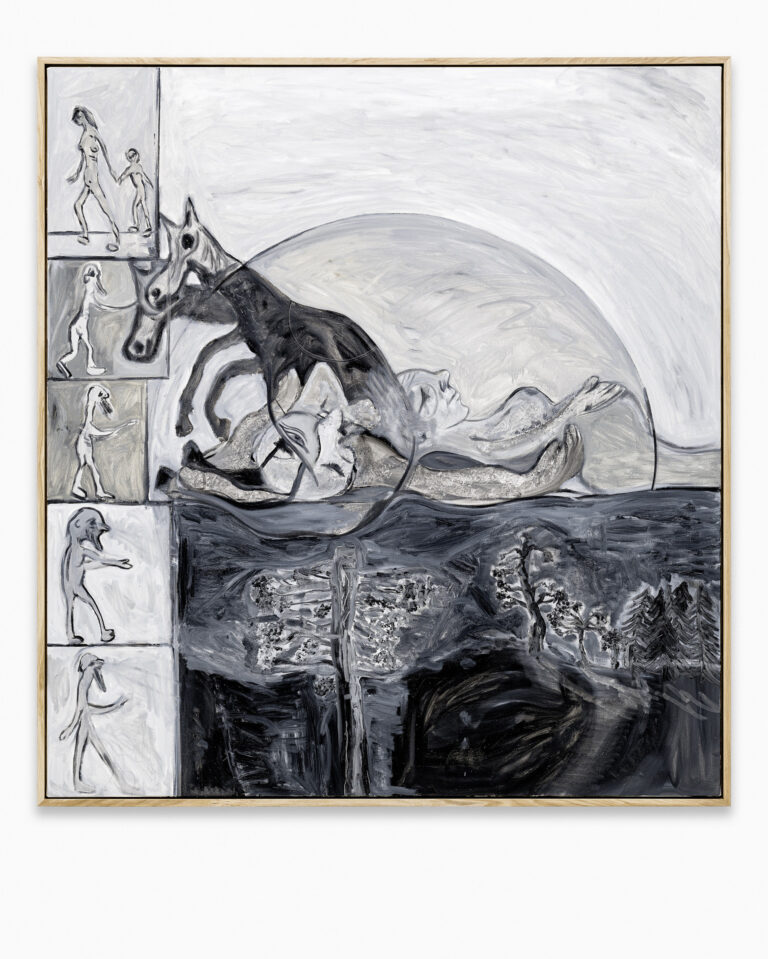
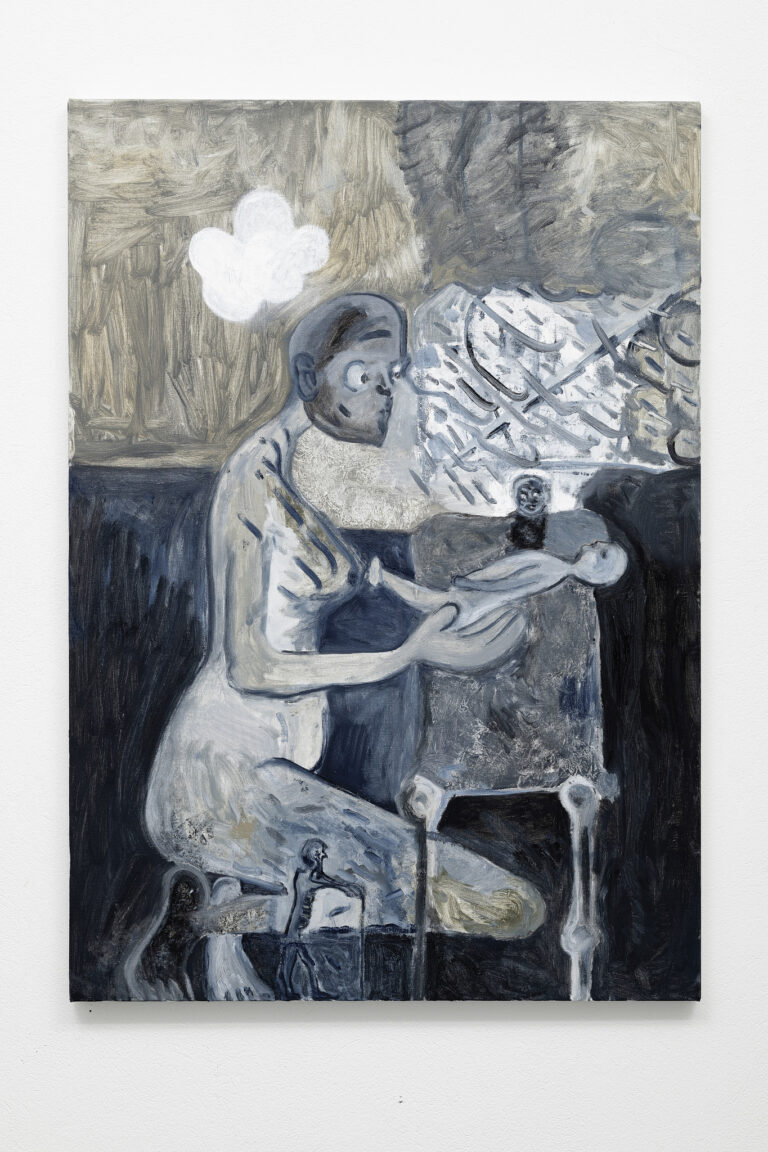
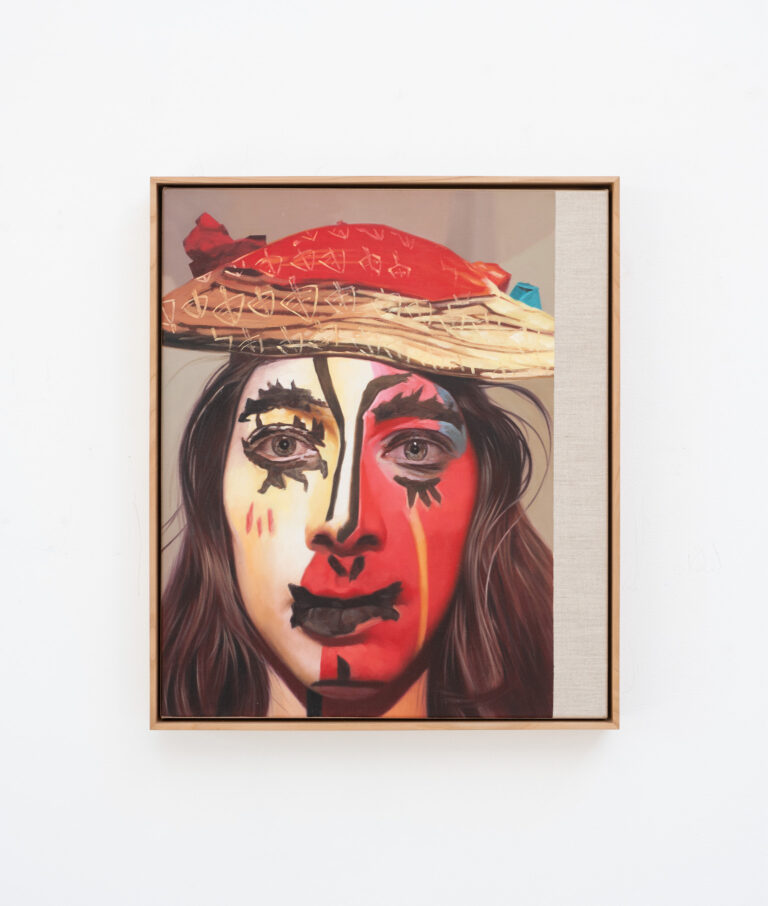
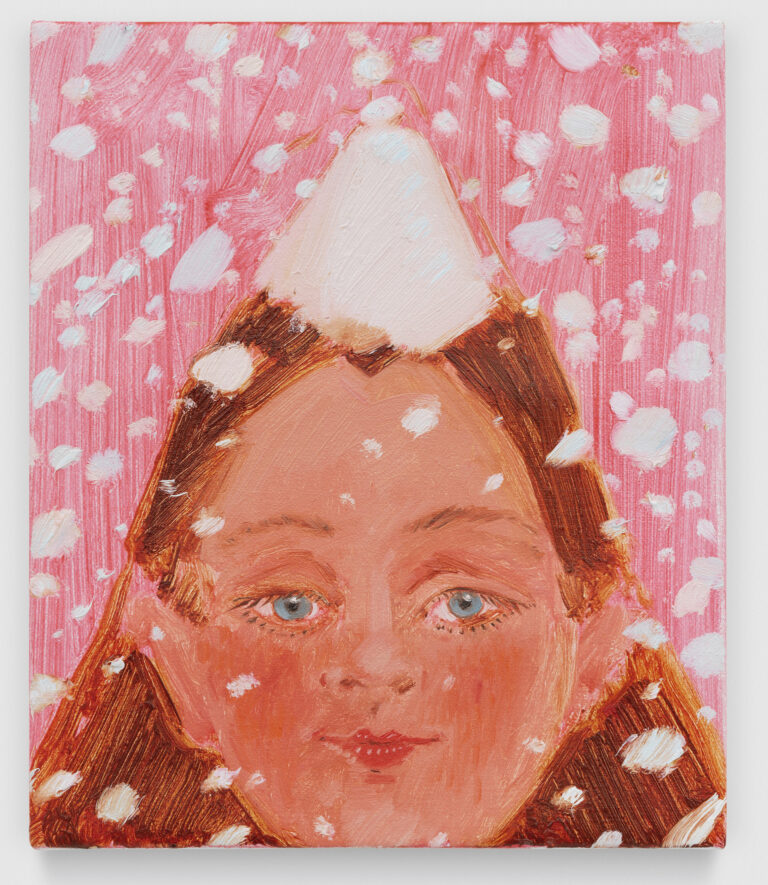
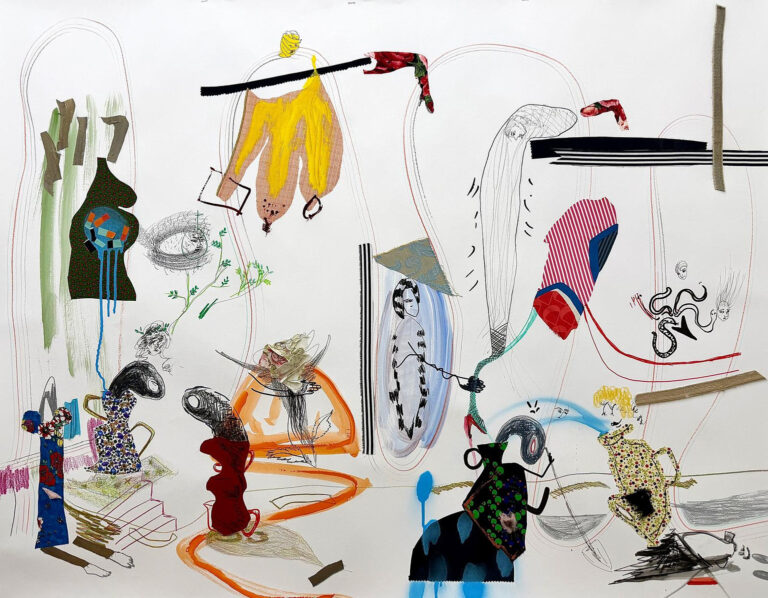
Tobias Pils (d. 1971, AT) creates paintings in which figuration and abstraction, intention and intuition are never allowed to settle. Bodies, gestures, objects and signs emerge, disappear and return in altered form; moments of recognition are continually followed by doubt. Personal experience and art-historical references enter the works only to be transformed and opened towards new associations. Rather than resolving this ambiguity, Pils uses it as a productive force, leaving perception suspended between memory, projection and uncertainty. Earlier this year, Shh at mumok in Vienna presented his work across two floors in the most comprehensive exhibition of his practice to date.
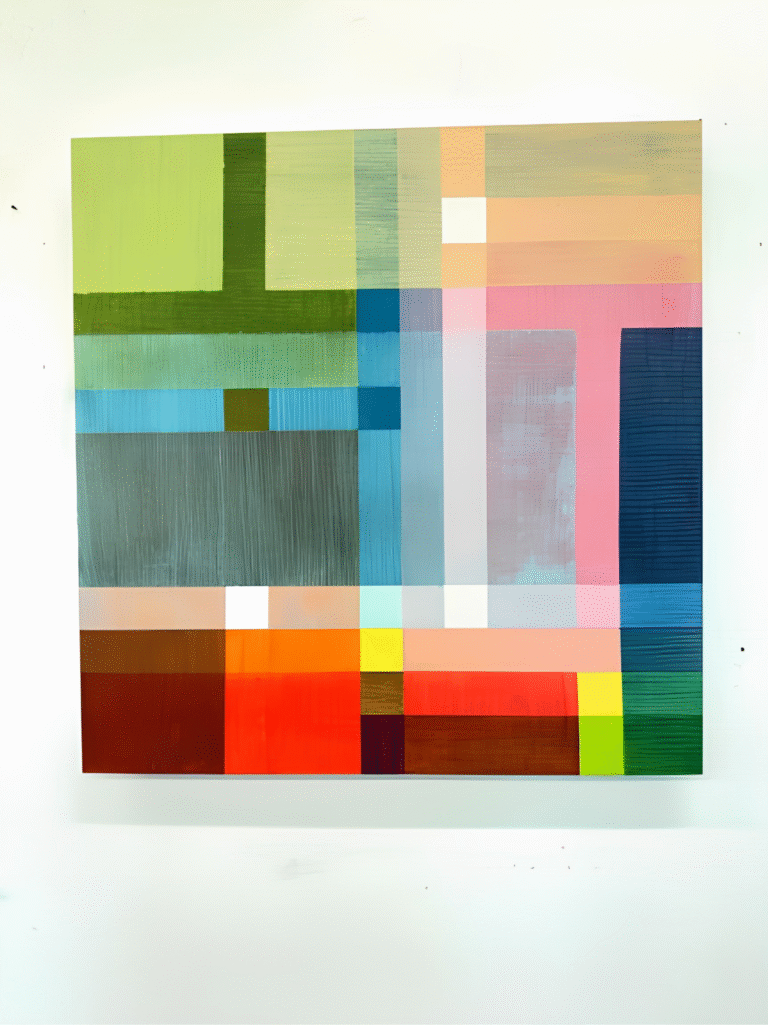
Ekrem Yalçındağ (d. 1964, TR) builds complex visual systems from colour, ornament, repetition and geometry. Botanical and geometric motifs rooted in Turkish and Islamic decorative traditions are repeated across the surface, while thick layers of paint give apparently flat patterns an almost physical presence. In other works, colour combinations observed in everyday urban life become the starting point for abstract compositions. Tradition is never fixed in Yalçındağ’s work; it becomes a visual language that can be repeated, translated and continually renewed. From 19 September to 1 November 2026, his work will be presented in a major exhibition at CerModern in Ankara.
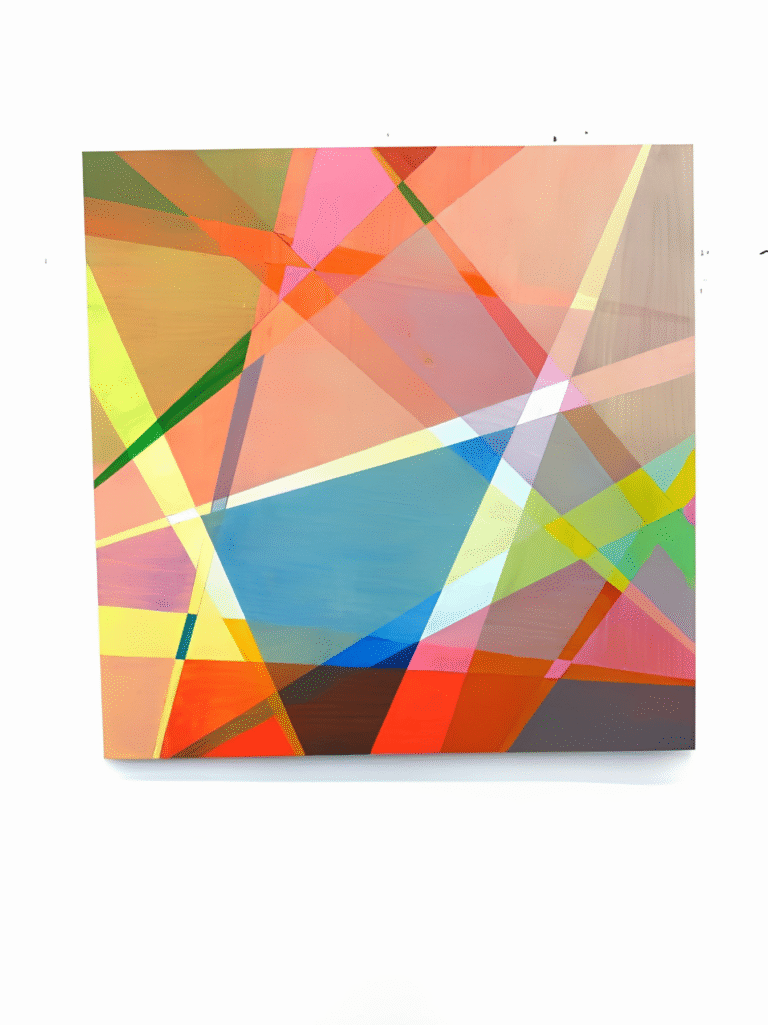
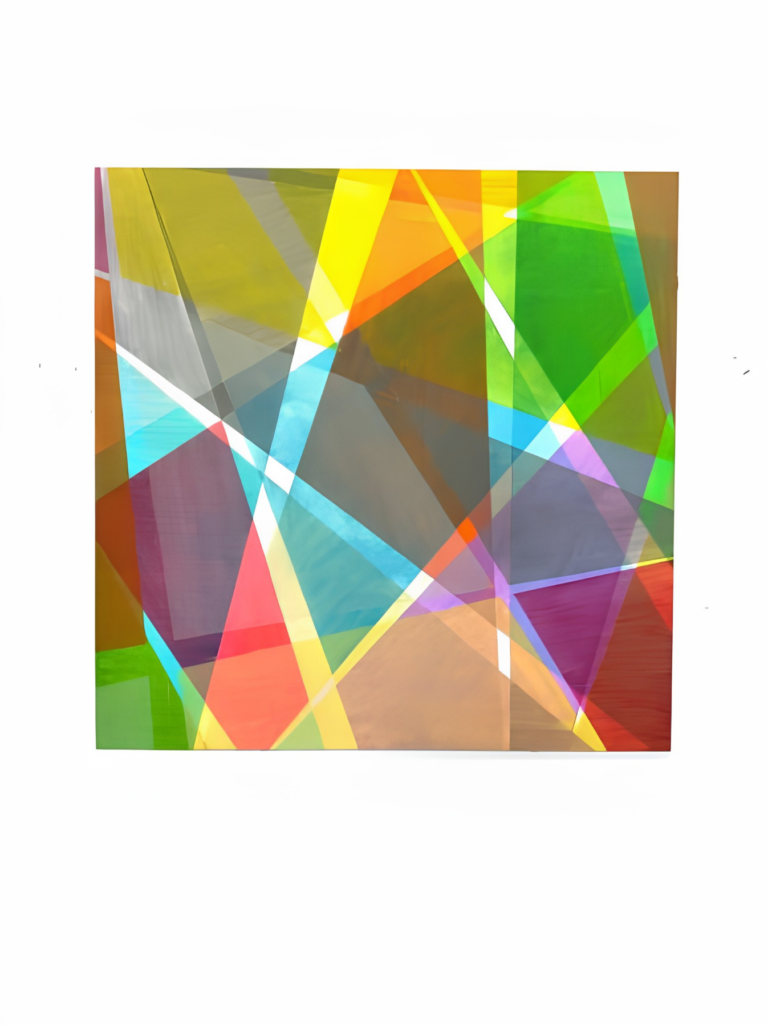
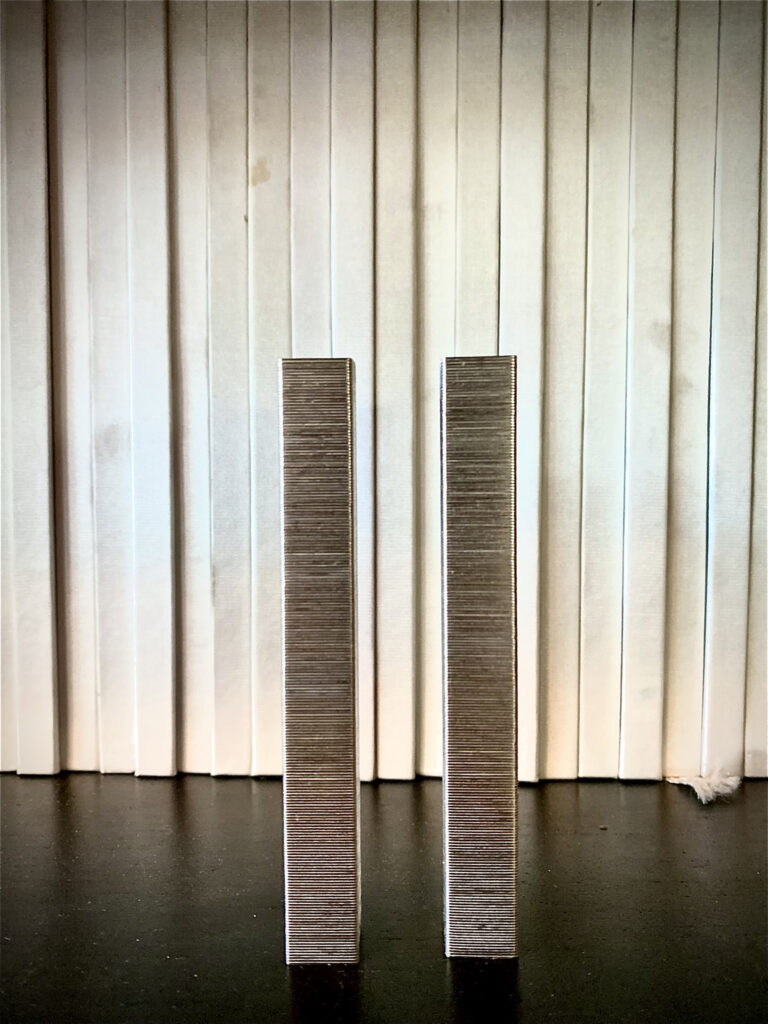
Beat Zoderer (d. 1955, CH) takes the language of geometric and Concrete Art and deliberately deprives it of purity. Instead of mathematical perfection, he works intuitively with simple, often everyday or industrial materials – office supplies, adhesive labels, folders, plastic strips and found products – transforming them into complex structures of colour, rhythm and space. Grids, repetitions and modular systems create an apparent order, while overlapping colours, deviations and spatial tensions continually disturb it. Precision and imperfection, seriousness and humour coexist. The system provides a framework, but Zoderer makes sure that it never becomes rigid or entirely predictable.
The exhibition makes perceptible how deeply we are embedded in cultural, social, visual, material, and imagined systems. In becoming aware of these structures, a moment of agency emerges: the possibility to question, expand, or transform the systems through which we live.
A long-standing dialogue with Istanbul
Dorothea Strauss’s relationship with Istanbul’s art scene goes back to 2013, when, as Director of Museum Haus Konstruktiv in Zurich, she curated Hot Spot Istanbul, a comprehensive exhibition bringing together 21 artists from different generations and examining developments in abstract, constructivist, and conceptual practices in Turkey
The exhibition venue
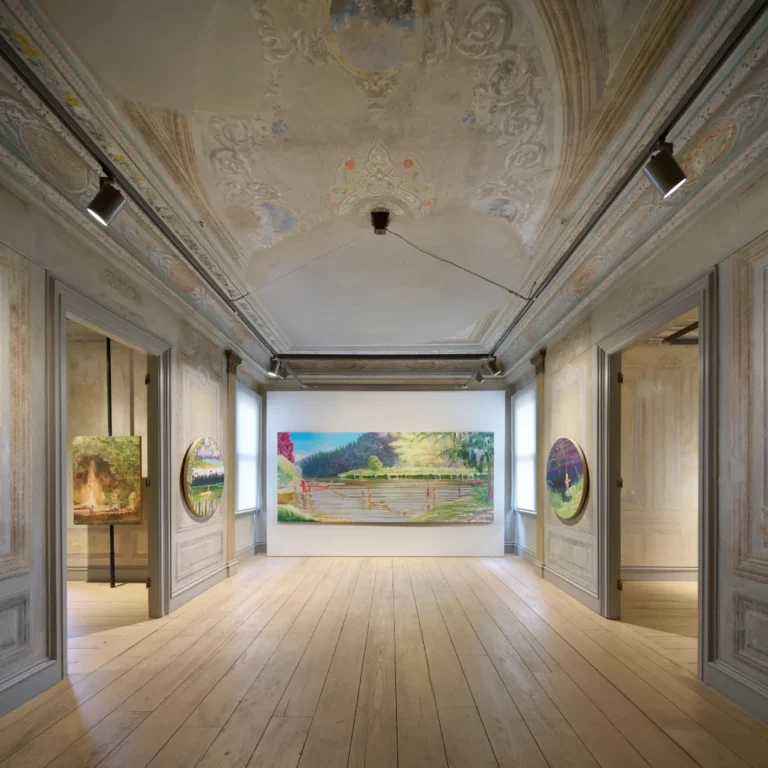
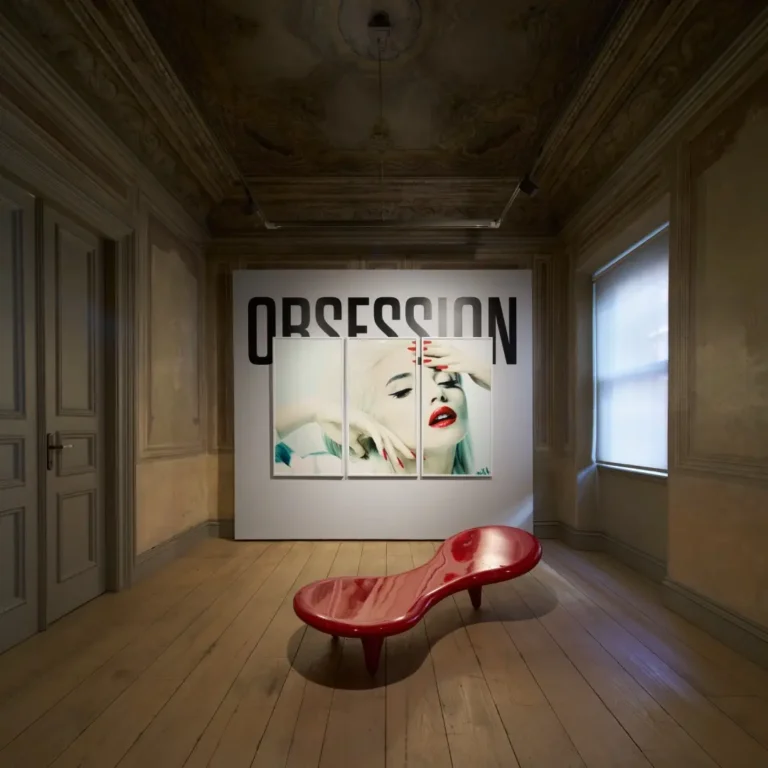
Istanbul offers a powerful context for Making Worlds. Systems of Being. Its history, migration, sound, ornamentation, economy, architecture, and future visions make systems visible, audible, and tangible. For the exhibition, the historic Villa Ipranosyan is not simply a backdrop but an integral part of the curatorial concept. The landmark early twentieth-century villa, with its preserved wall decorations, marble craftsmanship, and distinctive sequence of rooms, is itself a multilayered system of history, materiality, craftsmanship, and cultural interconnection.
Across its four exhibition floors and terrace overlooking the Bosphorus, the villa provides a spatial dramaturgy in which the works can unfold according to their own logic while entering into dialogue with one another.
Physical transformation encounters cultural coding. Identity meets resistance. Ornament meets abstraction. Analogue materiality meets digital reality. Bodies encounter algorithms. Inherited visual systems meet new forms of perception.
The villa’s intimate monumentality – shaped by history, patina, and presence – reinforces the central question of the exhibition: how do systems become visible, experiential, and open to transformation?