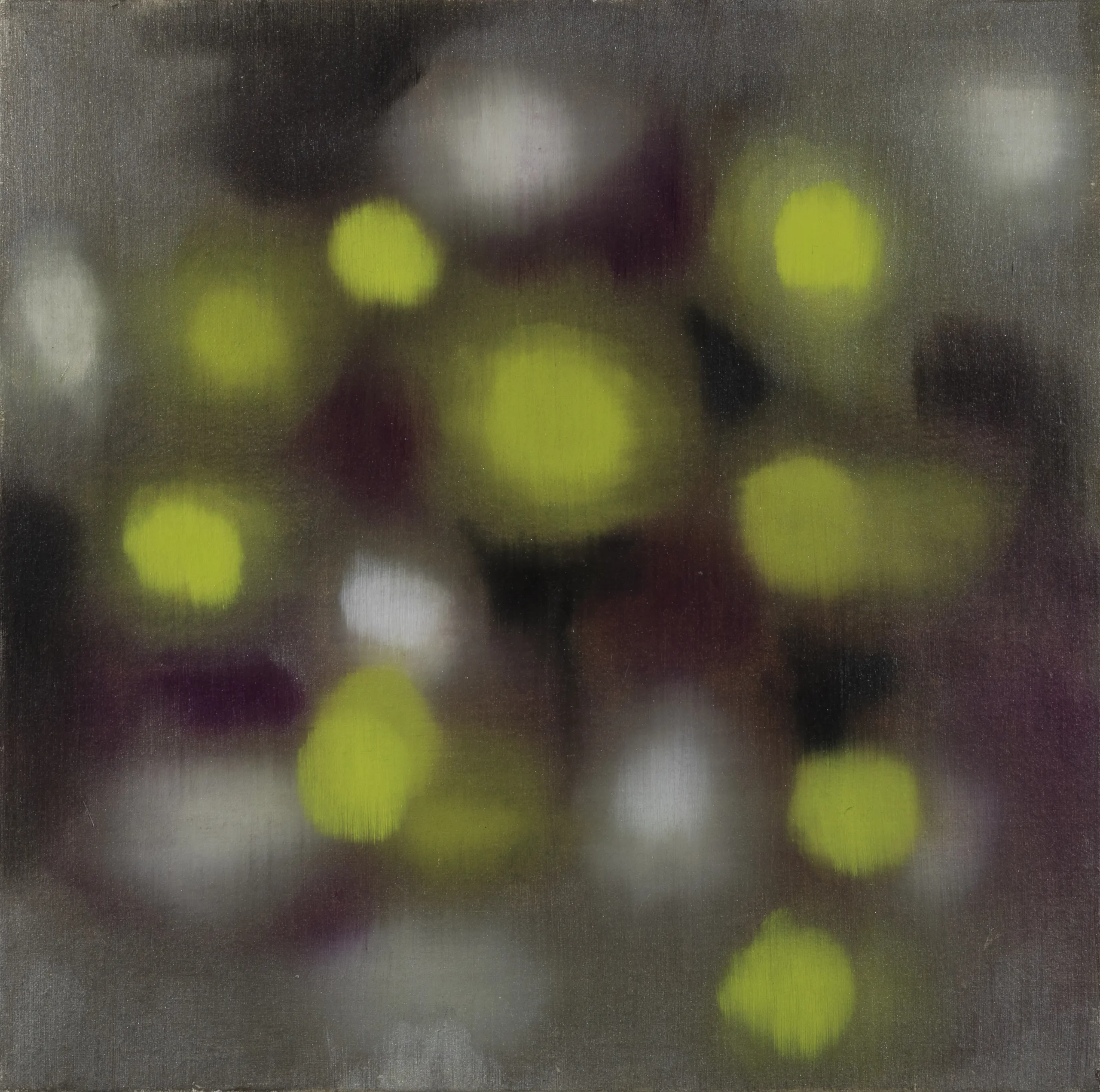
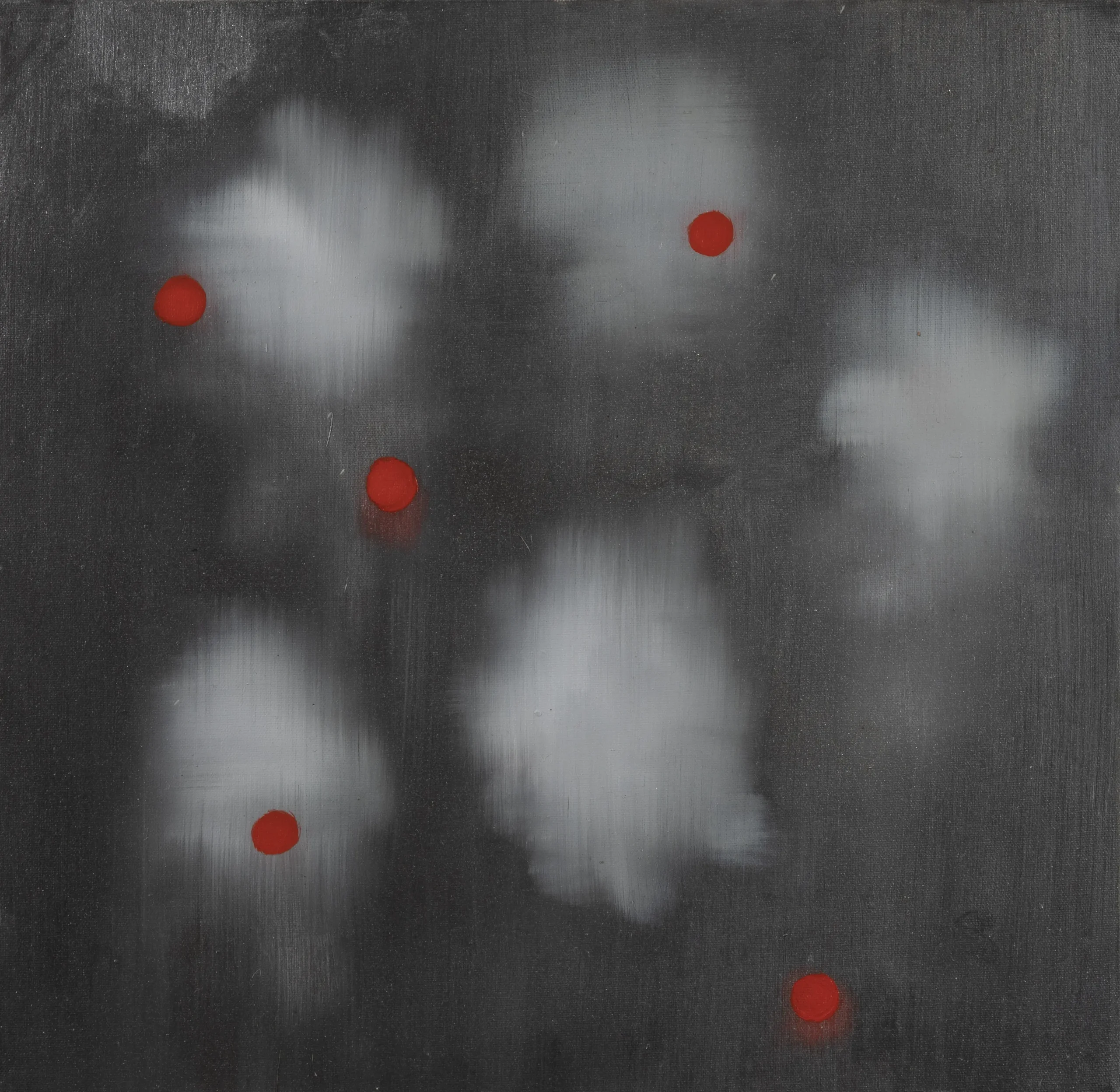
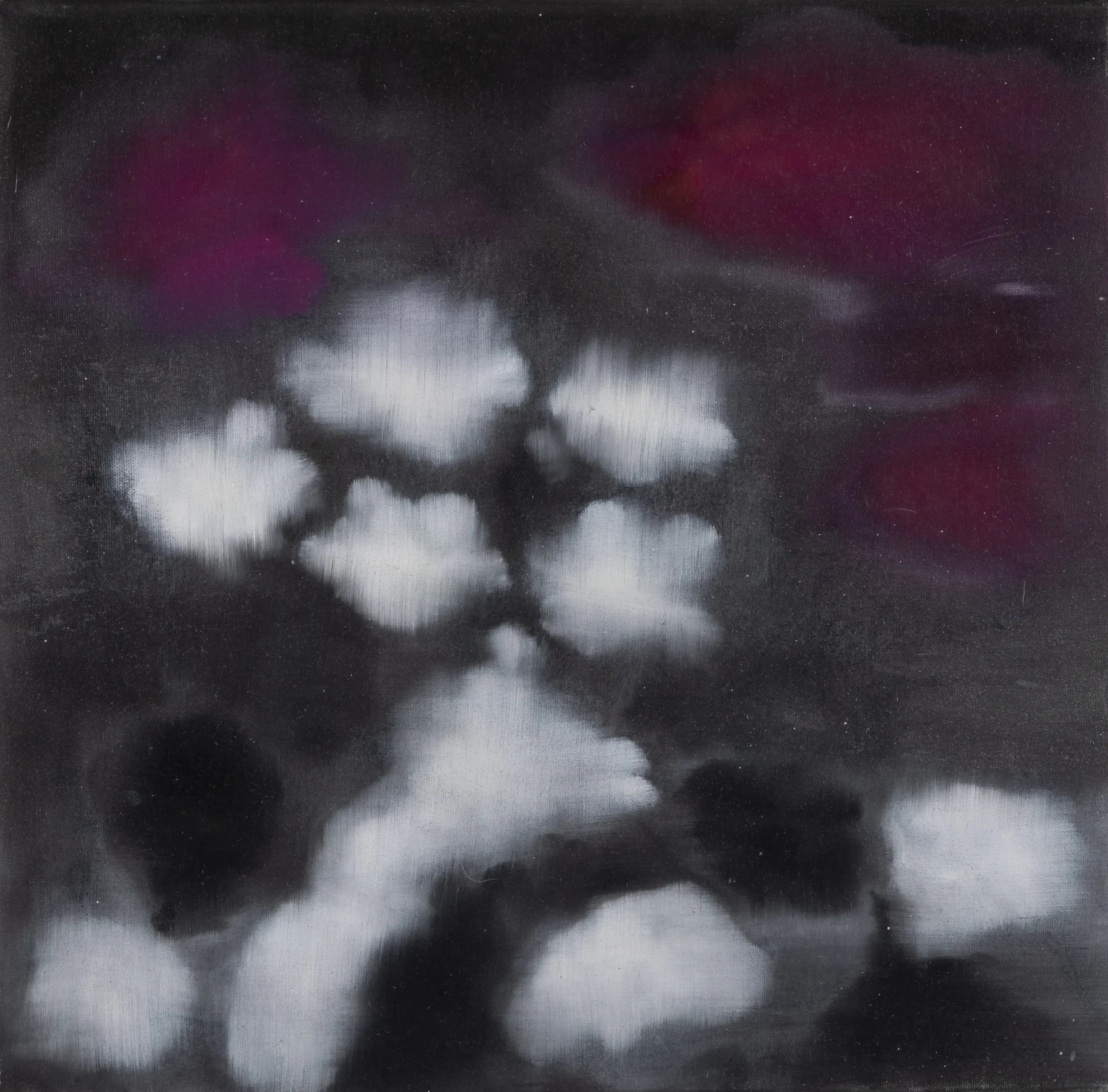
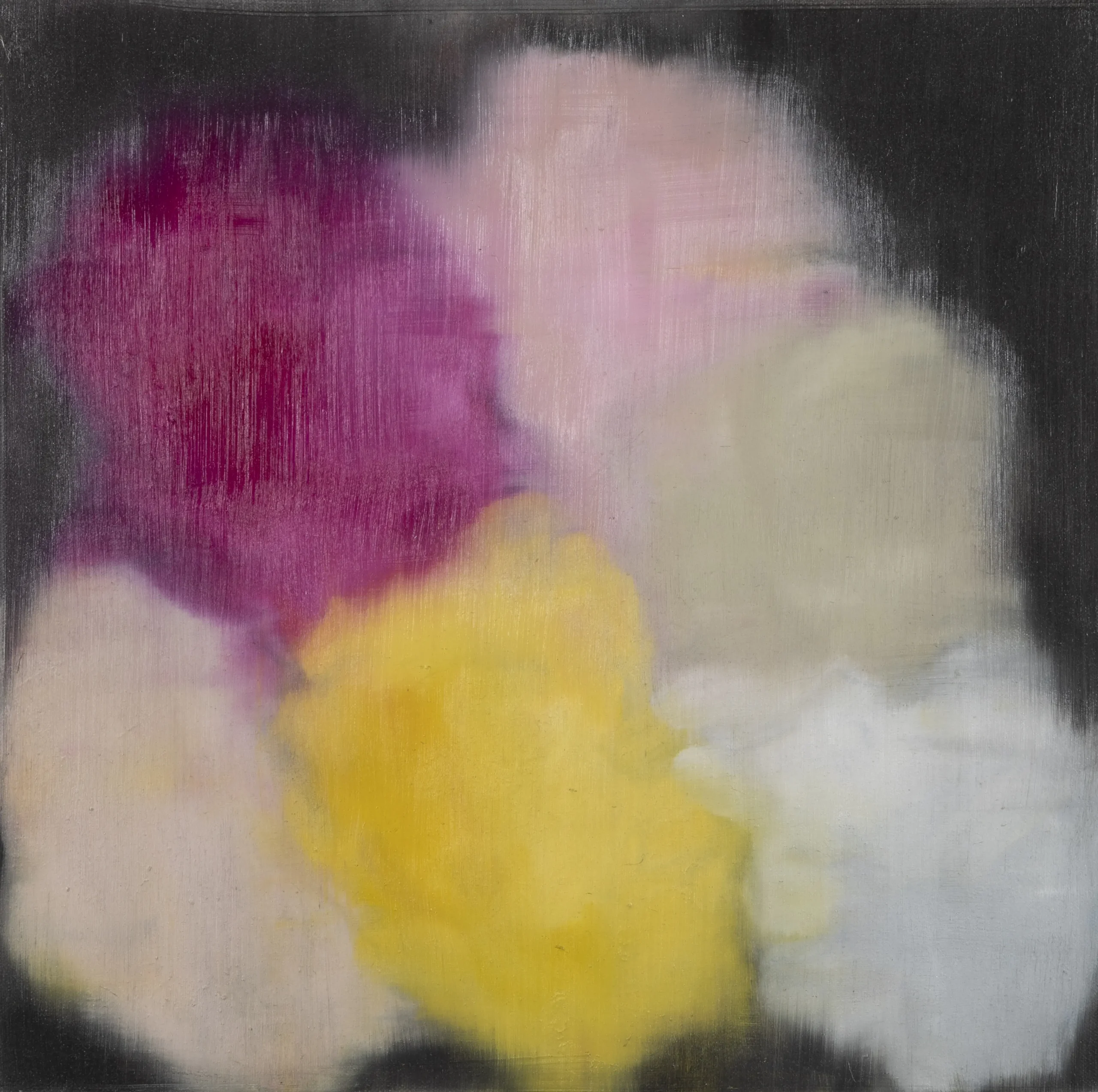
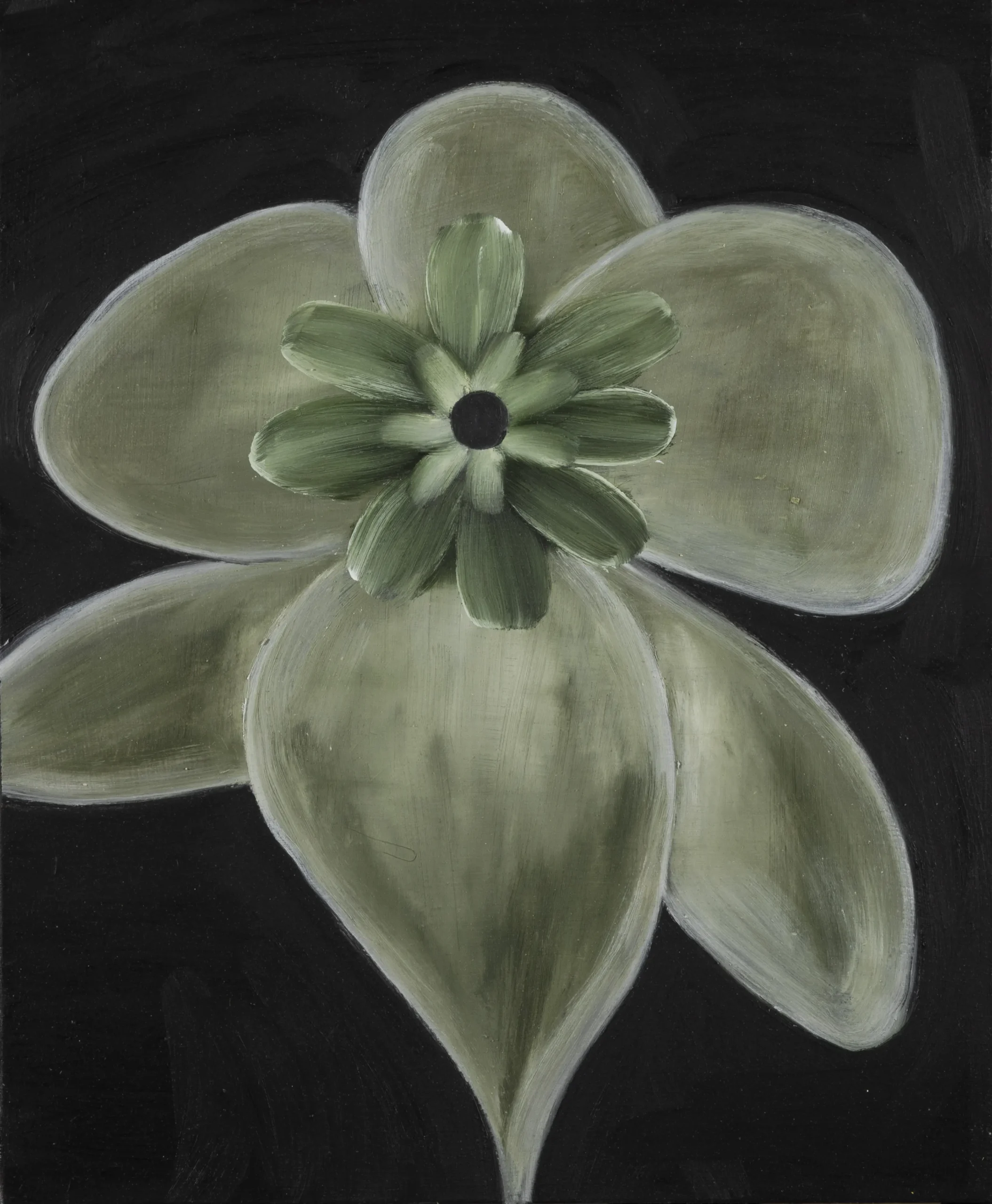
As one of the key figures of the AIDS crisis of the 1980s in New York, Ross Bleckner explores themes of change, loss and memory in his art and often reflects on the body, health and illness, in a similar way to memento mori. His art emphasizes the fragility of the human body and symbolizes it as a thin barrier between life and disaster. Using abstract forms such as lines and dots and representational imagery such as birds, flowers and brains, Bleckner's multicolored, voluminous circles - often resembling microscopic blood droplets or molecules - have a hypnotic effect against dark backgrounds. Bleckner made history by opening a mid-career retrospective at the Guggenheim Museum at the age of 45. His work is featured in major museums such as MoMA, the Whitney Museum and the Guggenheim, and international institutions such as the San Francisco Museum of Modern Art, the Reina Sofia and the Kunstmuseum Luzern. His art is inspired by the AIDS epidemic and explores the human...
Ross Bleckner, a prominent figure in New York during the AIDS crisis of the 1980s, explores themes of change, loss, and memory in his art, often reflecting on the body, health, and disease, similar to memento mori. His work highlights the fragility of the human body, symbolizing it as a delicate barrier between life and disaster. Using abstract forms like stripes and dots, as well as representational images of birds, flowers, and brains, Bleckner’s multicolored, volumetric circles—often resembling microscopic blood droplets or molecules—create a hypnotic effect against dark backgrounds.
Bleckner made history as the youngest artist to have a mid-career retrospective at the Guggenheim Museum at 45. His works are housed in major museums like MoMA, the Whitney Museum, and the Guggenheim, along with international institutions such as the San Francisco Museum of Modern Art, Reina Sofia, and Kunstmuseum Luzern. His art frequently addresses human vulnerability, inspired by the AIDS epidemic, and extends beyond the studio into activism and alternative therapies.
Starting his career in 1975, Bleckner's large-scale works, from early abstract pieces to his later symbolic works, evoke universal themes of loss and transformation. His Flower series commemorates those lost to AIDS, ensuring their memory lives on.